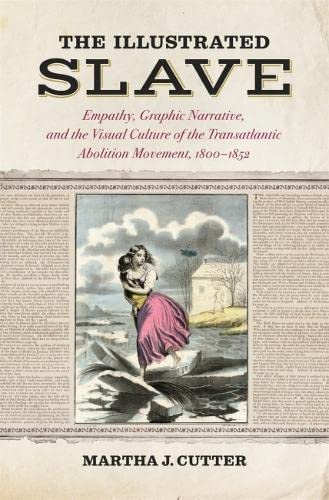
The illustrated slave : empathy, graphic narrative, and the visual culture of the transatlantic abolition movement, 1800-1852 / Martha J. Cutter.
Material type: TextPublisher: Athens, Georgia : The University of Georgia Press, [2017]Copyright date: ©2017Description: 1 online resourceContent type:
 - text
- computer
- online resource
- 9780820351155
- 0820351156
- Enslaved persons -- United States -- Illustrations
- Slavery -- United States -- Illustrations
- American literature -- African American authors -- History and criticism
- American literature -- 19th century -- History and criticism
- Slavery in literature
- Antislavery movements in literature
- Esclaves -- États-Unis -- Illustrations
- Esclavage -- États-Unis -- Illustrations
- Littérature américaine -- 19e siècle -- Histoire et critique
- Esclavage dans la littérature
- Mouvements antiesclavagistes dans la littérature
- LITERARY CRITICISM -- American -- General
- HISTORY -- United States -- 19th Century
- American literature
- American literature -- African American authors
- Antislavery movements in literature
- Slavery
- Slavery in literature
- Slaves
- United States
- 1800-1899
- 810.9/352625 23
- PS217.S55 C87 2017eb
| Item type | Current library | Collection | Call number | Status | Date due | Barcode | Item holds | |
|---|---|---|---|---|---|---|---|---|
 eBook
eBook
|
e-Library | EBSCO Social Science | Available |
Includes bibliographical references and index.
Visualizing slavery and slave torture -- Precursors: picturing the story of slavery in broadsides, pamphlets, and early illustrated graphic works about slavery, 1793-1812 -- "These loathsome pictures shall be published": reconfigurations of the optical regime of transatlantic slavery in Amelia Opie's The black man's lament (1826) and George Bourne's Picture of slavery in the United States of America (1834) -- Entering and exiting the sensorium of slave torture: a narrative of the adventures and escape of Moses Roper, from American slavery (1837, 1838) and the visual culture of the slave's body in the transatlantic abolition movement -- Structuring a new abolitionist reading of masculinity and femininity: the graphic narrative systems of Lydia Maria Child's Joanna (1838) and Henry Bibb's Narrative of the life and adventures of Henry Bibb, an American slave, written by himself (1849) -- After Tom: illustrated books, panoramas, and the staging of the African American enslaved body in Uncle Tom's cabin (1852) and the performance work of Henry Box Brown (1849-1875) -- The end of empathy, or slavery revisited via twentieth- and twenty-first-century artworks -- Hierarchical and parallel empathy.
" ... Analyzes ... works in the archive of antislavery illustrated books published from 1800 to 1852 alongside other visual materials that depict enslavement"-- Provided by publisher
Online resource; title from PDF title page (EBSCO, viewed August 14, 2017).
WorldCat record variable field(s) change: 650